
The Next Step: Introducing Dislaw Consulting
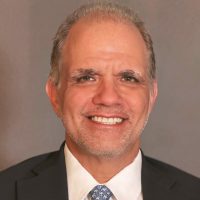
By: Matthew Dietz
Many people receiving this announcement have known me during one phase of my career or another. Some know me as a disability rights lawyer or through a case we handled together. Others know me through Disability Independence Group, The Florida Bar, my appellate work, teaching, professional training, community advocacy, or more likely, the Puppy Pit.
Although the settings have changed, each phase has been part of the same progression. For more than thirty years, my work has focused on using disability law to solve individual problems, challenge discriminatory systems, and create lasting changes that benefit people beyond a single case.
When I was a new lawyer, I lost a fair housing appeal. Florida Assistant AG Gladys Perez, who wrote an amici brief supporting my client, told me the Starfish story when I was upset about the loss. The Starfish became an essential element of my career. Disability law can involve large systems, but the work often begins with one person, one family, one policy, one case, or one barrier that needs attention. The point is not that every problem can be solved at once. The point is that focused, informed action can make a real difference for the person or organization in front of you, and those changes can grow into broader reform.
Dislaw Consulting is the next step in my progression. It pulls together the parts of my work that have mattered most to me: representing and counseling clients, developing litigation and appellate strategy, advising organizations, training professionals, and using disability law to solve real problems. Through Dislaw Consulting, I can use that experience in a more focused way by helping individuals, attorneys, public entities, nonprofits, businesses, schools, courts, and other organizations understand disability rights issues, make better decisions, and find practical ways to remove barriers.
Building a Disability and Civil Rights Practice
My disability rights practice grew through litigation, community relationships, and listening to people describe the barriers they face in everyday life.
Early in that work, I became involved in cases challenging accessibility barriers that affected far more than one person. A cruise ship case introduced me to Edward Resnick, a quadriplegic attorney and founder of Access Now, who encouraged me to look beyond one injury and consider the larger systems excluding thousands of people with disabilities. I spent more time with people in the disability community and asked what problems they were actually facing. They described inaccessible housing, employment discrimination, transportation barriers, communication failures in healthcare, institutionalization, and difficulty obtaining the services needed to live independently. Those conversations taught me a lesson that has guided my work ever since: effective advocacy begins by listening to the person experiencing the barrier.
In 2002, my wife Debbie Dietz and I established Disability Independence Group, Inc. (DIG) to make change through community education, training, public policy, and systemic advocacy. Over time, DIG and my law practice merged into the same effort. The firm provided the ability to investigate, litigate, and appeal cases, while DIG created a broader platform for outreach and reform. Eventually, the nonprofit’s work was merged into the law practice so that individual representation, impact litigation, education, and legal change could reinforce one another.
Through that combined work, I handled hundreds of disability and civil rights matters in administrative proceedings, trial courts, and appellate courts. Much of this work shared a common purpose: identifying the everyday barriers that kept people from participating equally and then using the law to remove them.
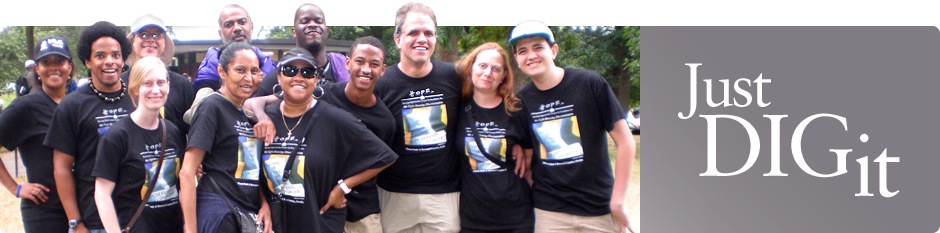
- In fair housing cases, including those with HOPE, Inc., that meant challenging rules, denials of accommodations, inaccessible housing, and unequal treatment that prevented people with disabilities, families with children, and others from living where and how they were entitled to live.
- In architectural access cases, the issue was never just the slope of a ramp or the width of a doorway; it was whether a person could enter a store, use a restroom, reach a service counter, appear in court, or take part in the ordinary life of the community.
- In effective communication cases, it means making clear that Deaf and hard of hearing people are entitled to real communication access in hospitals, medical offices, government programs, and businesses and not makeshift substitutes that leave them dependent on guesses, family members, or incomplete information.
- In access to justice work, the goal was to make sure people with disabilities could meaningfully use the courts and the legal profession itself could become fairer. That included improving court accommodation procedures and challenging systemic barriers to bar admission for lawyers and applicants with mental health disabilities or past substance use histories, so decisions were based on present ability and conduct rather than stigma, diagnosis, or outdated assumptions.
Across these matters, the same principle carried through: discrimination often takes different forms, but the harm is the same when people are denied the ability to live, work, receive services, and participate on equal terms. Some cases solved an immediate problem for one person or family; others helped shape the law throughout Florida and the Eleventh Circuit on reasonable accommodations, communication access, assistance animals, architectural barriers, and community-based services for medically fragile children.
As a member of the Board of Advisors of the Burton Blatt Institute, I contribute to a national network focused on advancing the rights, inclusion, and full participation of people with disabilities. The role also keeps me connected to emerging research, policy, and advocacy strategies that inform my work with clients, lawyers, and organizations.
I was deeply honored when the American Bar Association recognized that work with the Paul G. Hearne Award for Disability Rights. To me, the award was not just personal recognition; it reflected the clients, families, advocates, and colleagues who pushed for fuller access, dignity, and equal participation for people with disabilities.
Training Others to Recognize Disability Law Issues
One of the most meaningful experiences of my career was the opportunity to lead the Disability Inclusion and Advocacy Law Clinic at Nova Southeastern University Shepard Broad College of Law from 2022 to 2026. The DIAL Clinic joined two parts of the work I care deeply about: providing critical representation to people with disabilities who often could not otherwise obtain experienced legal help, and training law students to become thoughtful, prepared, and compassionate advocates.
In the clinic, students learned disability rights by doing the work. They interviewed clients, evaluated legal issues, negotiated accommodations, handled administrative matters, developed litigation strategy, engaged in policy advocacy, and saw how the law affects a person’s ability to live independently, obtain housing, work, go to school, receive healthcare, and participate in community life.
Leading that program was an incredible experience because it required me not only to practice disability law, but to teach it in a way that made complicated concepts understandable, practical, and connected to real people. That skill grew through dozens of CLEs and other speaking opportunities for lawyers, judges, court personnel, healthcare providers, housing professionals, educators, advocates, and community groups. Over time, those experiences helped me become someone who can take dense statutes, regulations, cases, and systems and explain them in a way that helps people recognize the issue, understand why it matters, and know what to do next.
The Legal Profession
My work with The Florida Bar is also rooted in the importance of public interest law and the responsibility of the legal profession to serve the entire community. As chair of the Public Interest Law Section, the Equal Opportunities in the Law Section, and the Animal Law Section, I had the opportunity to work on issues that were different in subject matter but connected by a common purpose: making the legal system more accessible, humane, diverse, and responsive to the people it serves.
Despite my legal work, many of my Bar colleagues came to know me through the Animal Law Section’s Puppy Pit at Bar conventions. The idea came from a simple belief that lawyers also need moments where they can step away from the pressure of practice. Bringing puppies into Bar events gives people a chance to pause, reset, and enjoy a brief moment of connection in the middle of their busy professional lives.
Across those roles, I tried to advance the idea that public interest law is not limited to one practice area. It includes improving diversity in the profession so lawyers better reflect the population we serve; increasing awareness of the needs of lawyers with disabilities; and making sure people with disabilities who appear in court, as parties, judges, jurors, lawyers, or observers, can participate meaningfully and with dignity.
I have been honored to receive The Florida Bar’s G. Kirk Haas Humanitarian Award, but I view that recognition as part of a broader public interest commitment. The work has always been about changing systems so that lawyers, clients, and members of the public are not excluded because of disability, stigma, lack of access, or assumptions about who belongs in the legal profession and the courts.
Why Dislaw Consulting Is the Next Step
Dislaw Consulting brings the various parts of my career together in a more flexible and practical way. The work focuses on disability rights representation, collaboration with other lawyers, consulting, training, and problem solving. The goal is not simply to explain disability law, but to make sure disability-related issues are recognized and addressed when they matter.
One part of the practice focuses directly on people with disabilities and their families. I assist with issues involving employment, housing, education, healthcare, courts, public accommodations, service animals, and other disability-related barriers before litigation is necessary. Sometimes that means a consultation, reviewing an accommodation denial, preparing a request or letter, or developing a strategy to resolve a problem before it becomes a lawsuit.
Another important part of my work involves representing people with disabilities who have suffered injuries. These cases often raise disability-related issues that may not be fully addressed through traditional injury litigation, including the effect of an injury on independence, communication, employment, housing, transportation, medical care, attendant services, and future support needs. This includes serious personal injury and medical malpractice cases, as well as cases involving abuse, bullying neglect, inadequate supervision, or unsafe conditions in group homes, ID/DD housing, supported living programs, schools, and other residential or care settings. Pre-existing disabilities can also create complicated issues involving causation and damages.
My focus will always be on understanding the needs of clients who live with disabilities, and I frequently work with some of the best attorneys to ensure that the needs of my clients are met. I am proud to work with my colleague, Aaron Karger, who has extensive experience in sexual assault, negligent security, and injuries involving schools, group homes, and care settings. His firm specifically represents victims of rape and sexual assault and pursues civil claims against institutions that failed to provide reasonable protection, including schools, employers, property owners, hospitals, daycares, and group homes.
Dislaw Consulting is the next step in bringing all that work together: protecting rights, strengthening cases, supporting other lawyers, advising organizations, and helping ensure that people with disabilities receive both effective advocacy and meaningful access to justice.