






The World of Smart Homes
By: Andrea Chavarriaga*
Technology is becoming a bigger part of everyday life. One interesting example is a smart home. A smart home is a home that uses technology to control things like lights, doors, appliances, and the temperature. Some devices can be controlled with a phone, while others can be controlled by speaking. Smart home technology can be helpful for people with disabilities because it can make everyday tasks easier and give people more independence.
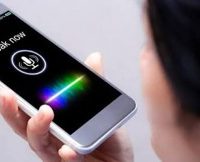
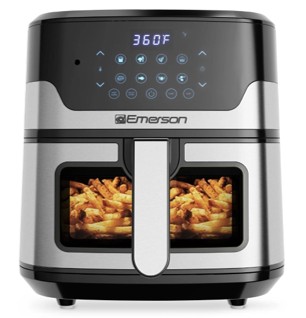
One of the examples I think is the coolest is a voice assistant. Imagine saying, “Turn on the lights,” and the lights turn on without touching a switch. Voice assistants can also set alarms, play music, control some appliances, and give reminders. Some smart kitchen appliances can even respond to voice commands. For example, a voice-controlled air fryer can let someone choose cooking settings or start cooking by using their voice. This can be especially helpful for someone who has trouble using buttons or seeing the controls.
Another helpful invention is smart lighting. Smart lights can be controlled with a phone or voice command. Some can even turn on when someone walks into a room. This can make it easier to move around the house, especially if reaching a light switch is difficult. Smart plugs can also turn some appliances on and off without needing to touch them.
But smart homes can get even more interesting. Robotic assistants are being created to help with different tasks at home. Some robots can give reminders, help people communicate with family members through video calls, and respond to commands. While robots cannot do everything shown in movies, real robotic technology is being researched to help people with different needs.
One thing that surprised me while researching this topic is that some smart-home systems can learn a person’s daily routine. For example, technology can be set to turn on lights at certain times or control other devices automatically. This means a smart home can do more than just respond to commands. It can also help make everyday routines easier.

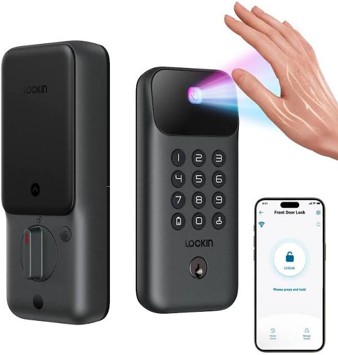
Smart locks and video doorbells are also useful. A smart lock can let someone unlock a door with a phone or code instead of a regular key. A video doorbell can show who is at the door without requiring someone to walk over right away. These devices can make a home easier to control and can also provide extra safety.
Research from the National Institutes of Health (NIH) shows that assistive technology can help people with disabilities with activities at home and in daily life. A 2026 study also looked at smart home technology used by 417 adults with spinal cord injuries or diseases. The study found benefits from devices such as voice assistants, smart plugs, smart TVs, and smart bed controls. However, the study also found that cost and setting up the technology can sometimes make these devices harder to use.
The connection between smart homes and disabilities is accessibility. Accessibility means making things easier for people with different abilities to use. Smart technology can help with everyday tasks that may otherwise require help from someone else. The best technology can also be different for each person because everyone has different needs.
Smart homes are not just about having cool gadgets. They show how technology can solve real problems. A voice command, automatic light, smart appliance, or robotic assistant may seem like a small change, but it can make a big difference in someone’s daily life. As technology improves, smart homes could become an even bigger part of making homes easier and more accessible for everyone.
*Andrea is a sophomore at St. Brendan High School. She is volunteering at DIG to get community service hours.